

The complete guide
Buying Guide
Why rinsing beats poking
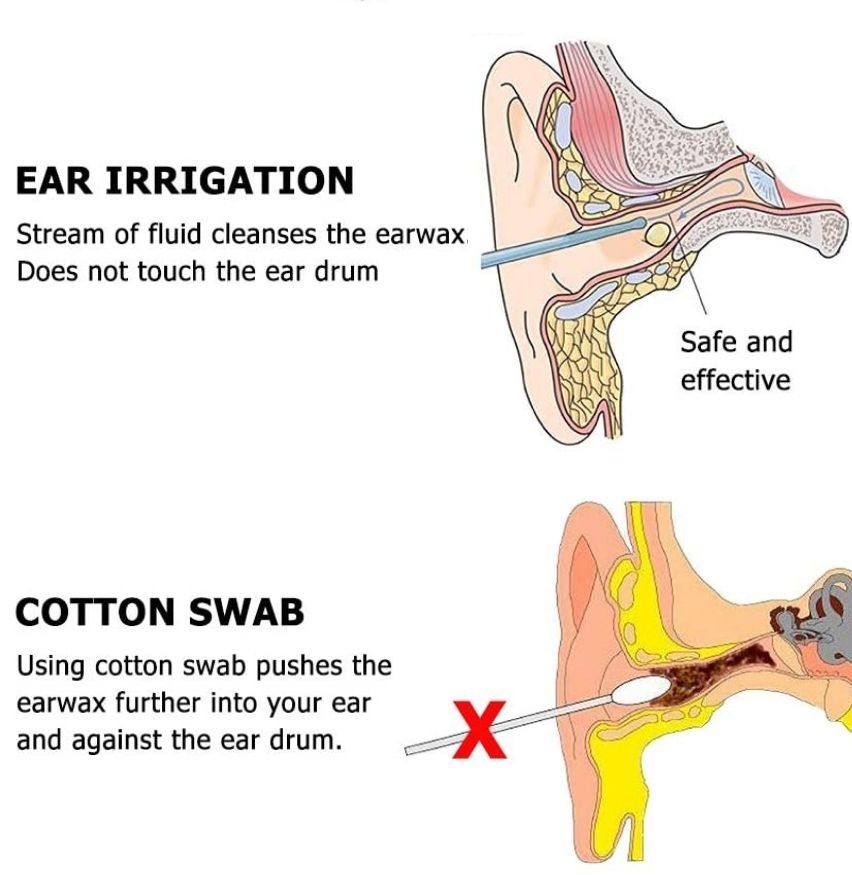
Most people clean their ears with a cotton bud, and most blockages are made worse that way. A bud is about as wide as the ear canal, so it works like a plunger: a little wax comes away on the tip and the rest is compacted further in, where you cannot reach it. A great deal of the impacted wax that clinicians remove was put there by a cotton bud.
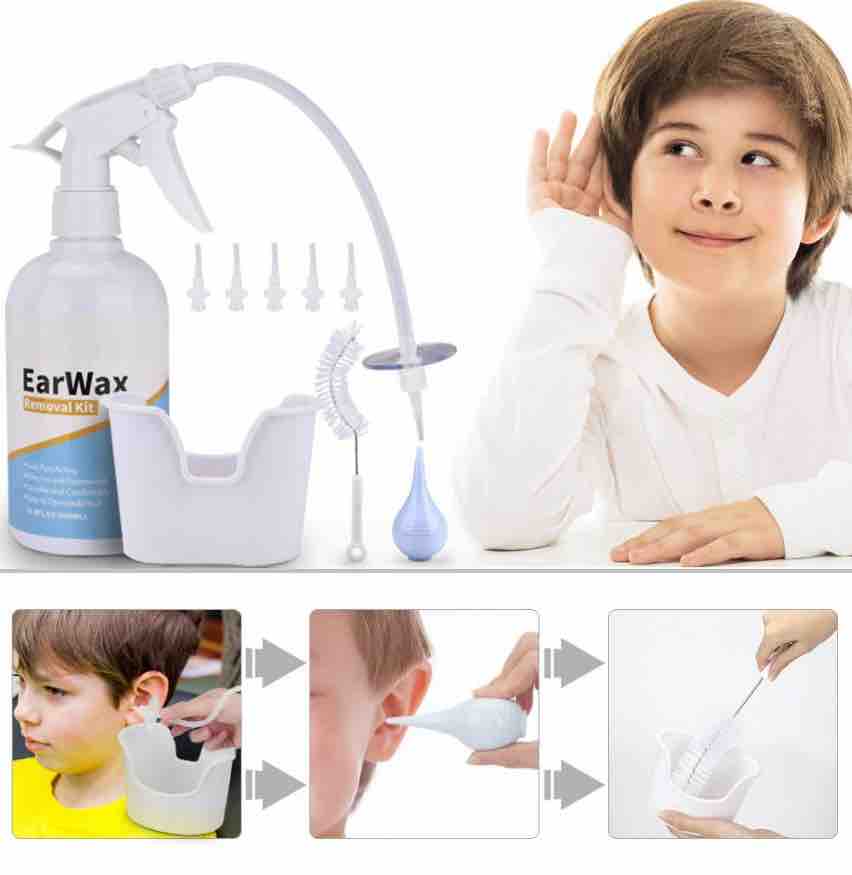
An ear washer works the other way round. Warm water goes in gently along the wall of the canal and comes back out, bringing loose wax with it.
Using it
Fill the bottle with water at body temperature. This matters more than it sounds: water much colder or hotter than body temperature can make you feel dizzy or slightly sick, which is a normal response and not a fault in the product.
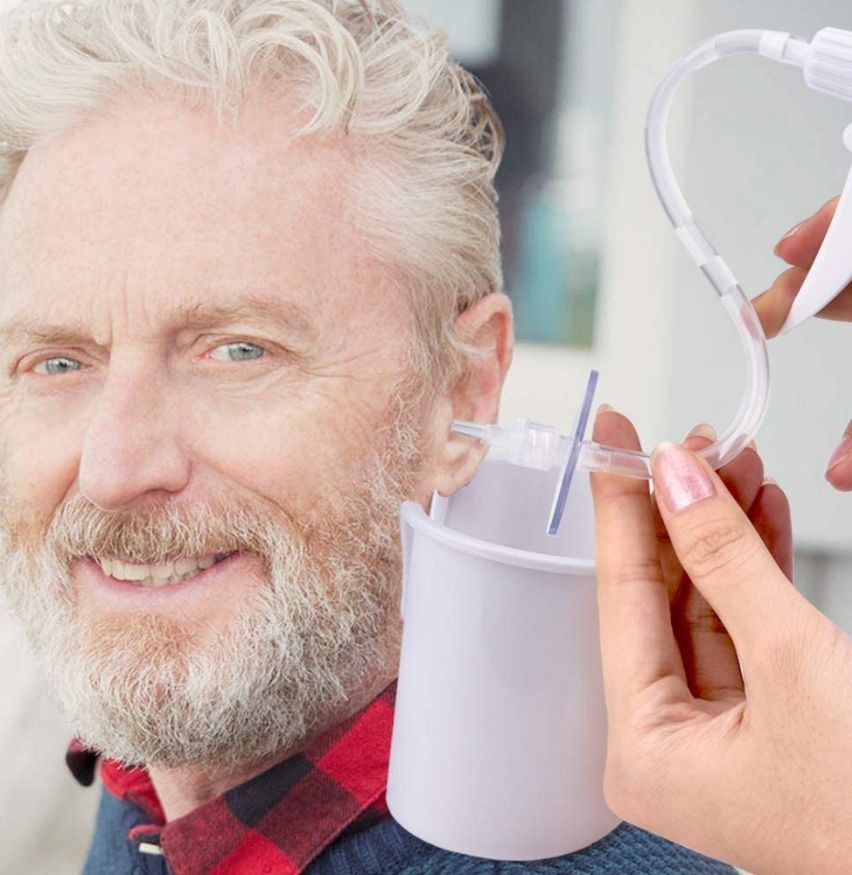
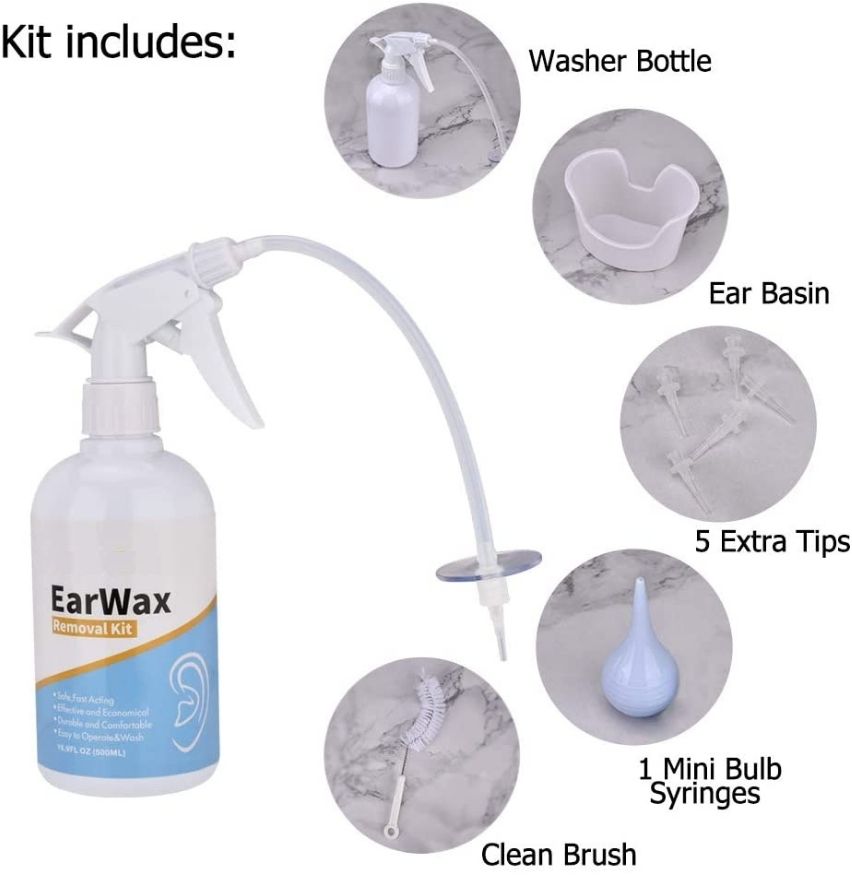
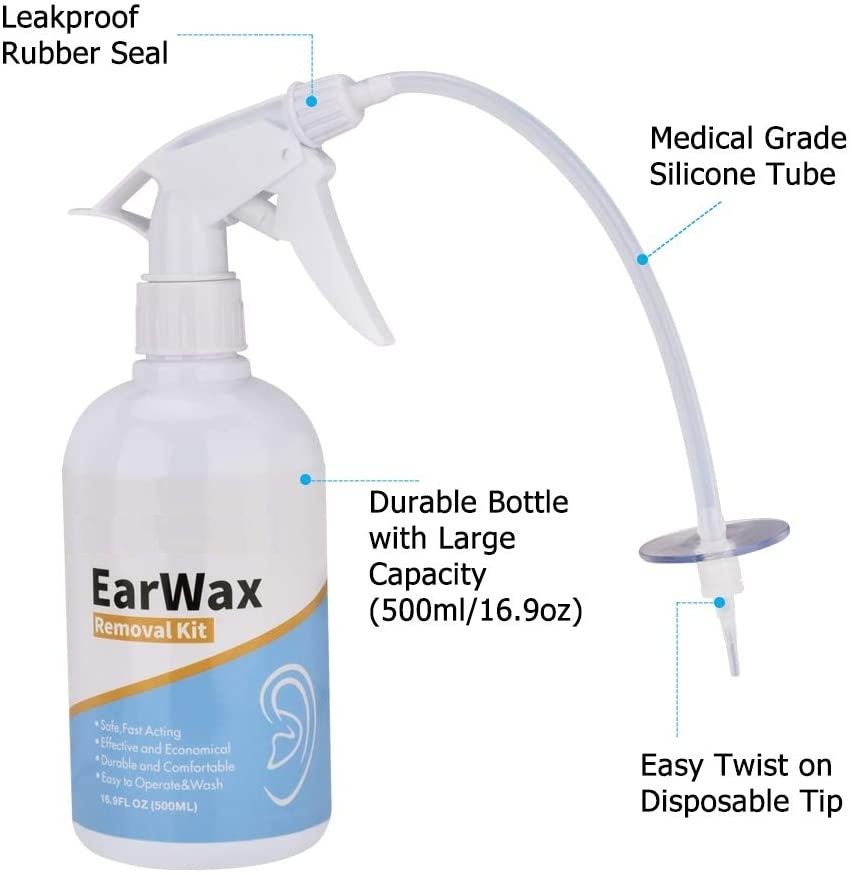
Tilt your head over a sink or a towel with the ear facing down. Choose a tip that sits comfortably at the opening of the canal without being pushed in. Aim the tip at the canal wall rather than straight down the middle, and squeeze gently. Let the water drain, then repeat if you need to. Several light flushes work better than one hard one, and if it hurts at any point, stop.
Afterwards, tilt your head to let the water run out and pat the outer ear dry. Do not poke anything into the canal to dry it.
Where it stops
This clears wax at the outer part of the canal, which is the part you can safely reach. It will not clear a deep impaction, and forcing water at one is how eardrums get hurt. If two gentle attempts have not shifted a blockage, stop and book an appointment. A clinician can see what they are doing and has proper suction, and it is usually a five minute job.
Softening drops used for a few days beforehand, from any pharmacy, often make flushing easier and sometimes make it unnecessary.
When not to use it at all
Do not use it on an ear that is painful, discharging, swollen or infected, and do not use it if you have a perforated eardrum, grommets, or have had ear surgery. Water reaching the middle ear through a perforation causes real problems. If you are not sure whether any of that applies to you, ask a clinician before you buy.
Looking after it
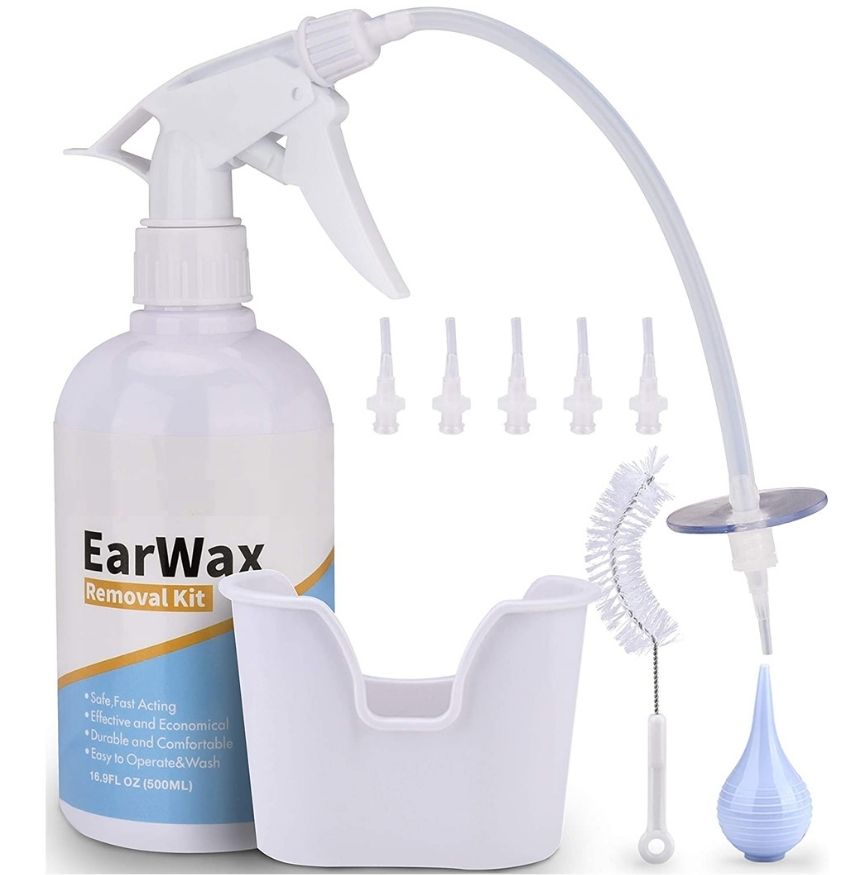
Rinse the bottle and the tips through with warm water after each use and leave them to dry with the tip removed. Tips are personal items. Replace any that split or perish, and do not share them.